
In the realm of knowledge and imagination, books are the enchanted keys that unlock the doors to boundless worlds.
Project Thoth aims to create a device that can carry textbooks and books without the burden of heavy weights, making studying interactive, smart, and easy.
By creating a device that can carry textbooks and books without the weight burden, studying becomes interactive, smart, and easy. These devices eliminate the need for students to purchase textbooks every year, including 1* and 2* part textbooks, as they only need to buy the device when they join school. Consequently, the government can save printing costs by not producing over 50,320,700 textbooks per year. Students can use the device for all classes by simply adding new books each year. Moreover, these devices enable students to access HD videos and images related to their study content even without an internet connection. Furthermore, the integration of VR (virtual reality) and AR (augmented reality) enhances interactivity and simplifies the learning process. This innovative solution not only reduces the burden of carrying multiple physical books but also contributes to environmental conservation by reducing tree cutting for paper production. With this device, students can access realistic virtual books offline and also connect to the internet when required, offering a multitude of opportunities and features.
Important points:
Prioritizing Eco-Friendliness in Digital Tablet Design and Production
Yes, it is possible to create an eco-friendly digital tablet by considering various factors throughout its lifecycle, including the materials used, energy consumption, manufacturing processes, and end-of-life disposal. Here are some key considerations for designing an eco-friendly digital tablet:
By incorporating these principles into the design and production of digital tablets, it is possible to create more eco-friendly devices that minimize environmental impact and promote sustainability. Such initiatives align with our company's commitment to contributing positively to the environment and shaping a better future for generations to come.
e-schoolbooks.in offers personalized and interactive learning experiences, fostering collaboration and community among students while staying at the forefront of educational technology advancements.
At e-schoolbooks.in, our goal is to revolutionize education through technology, providing accessible and comprehensive learning resources. We aim to foster a love for learning, empower academic success, and create an engaging educational experience. Our mission is to bridge the gap and make quality educational content accessible to all students.
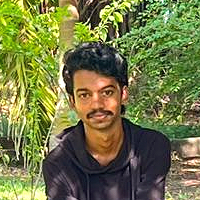
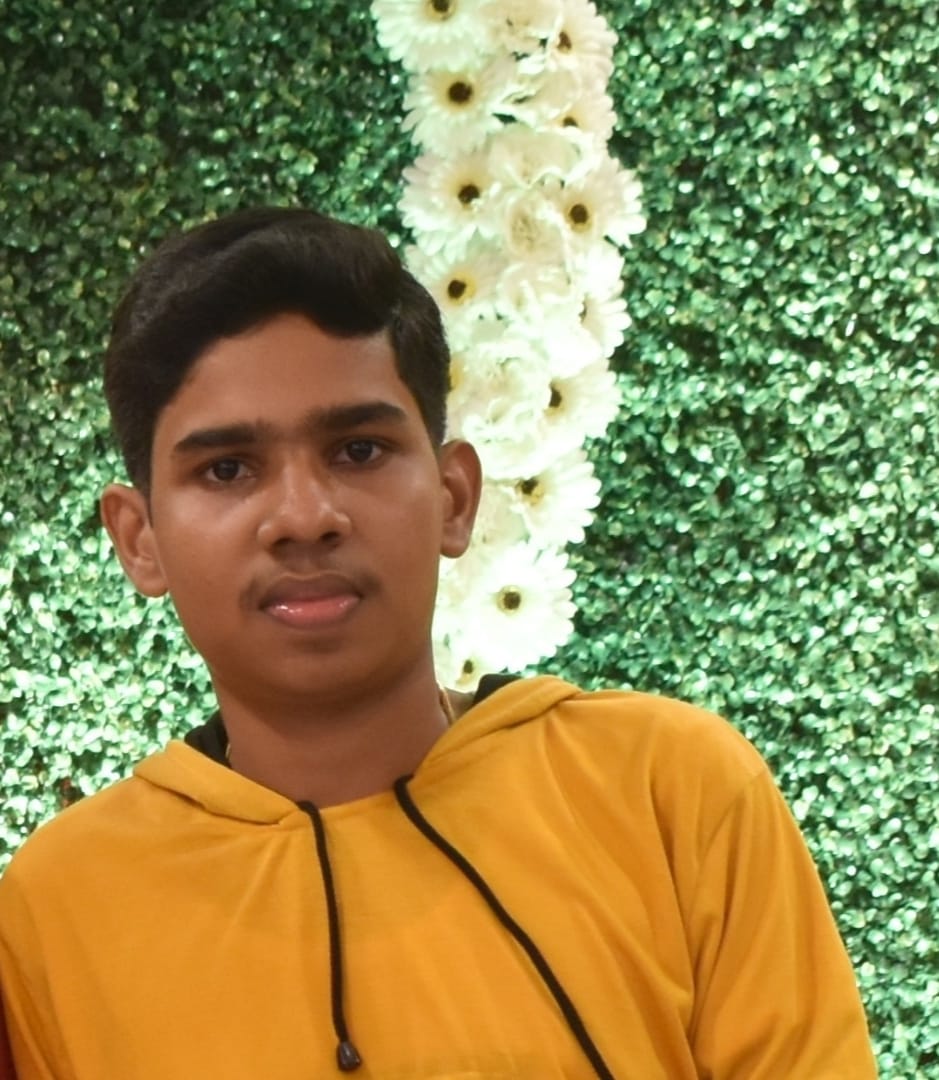
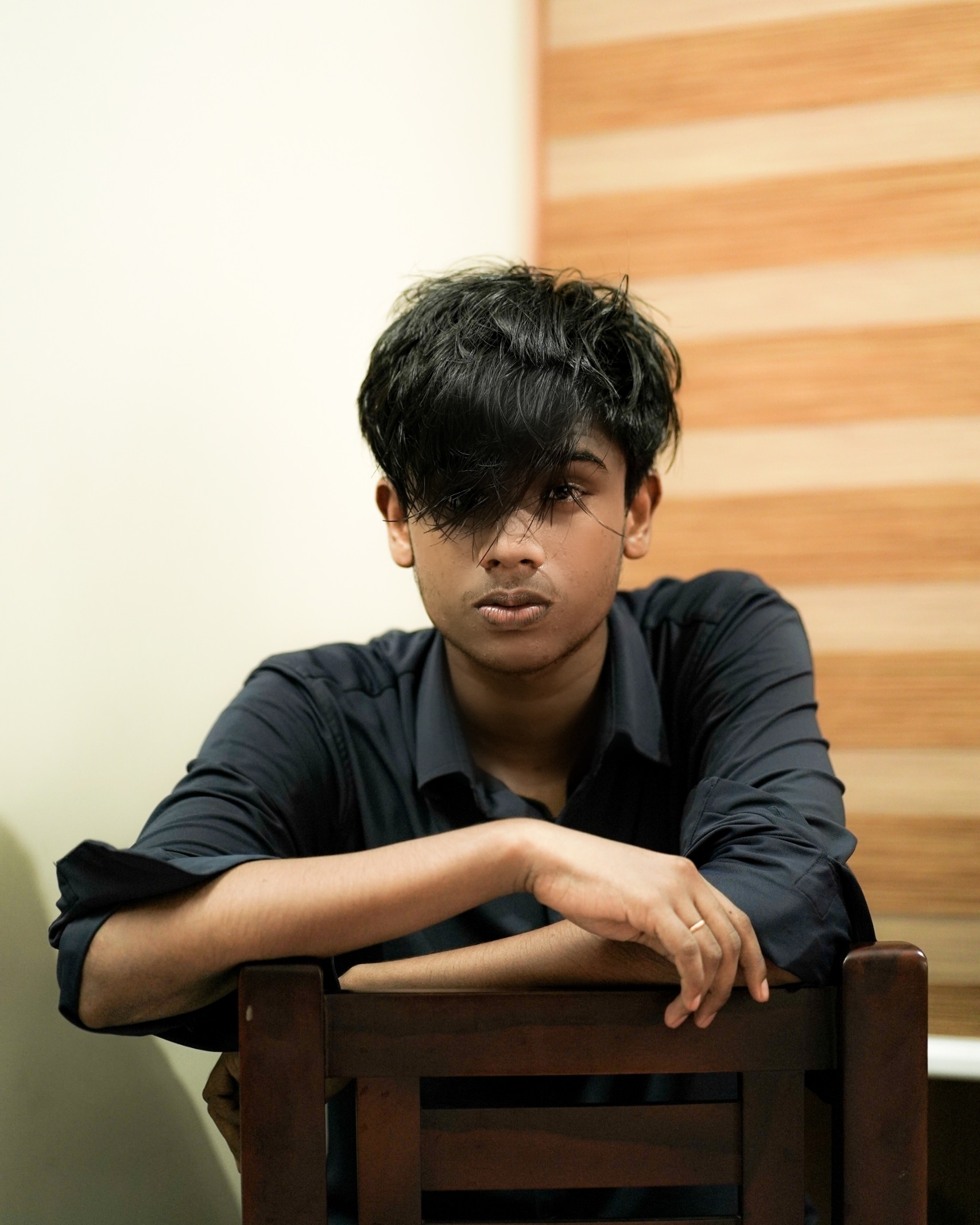
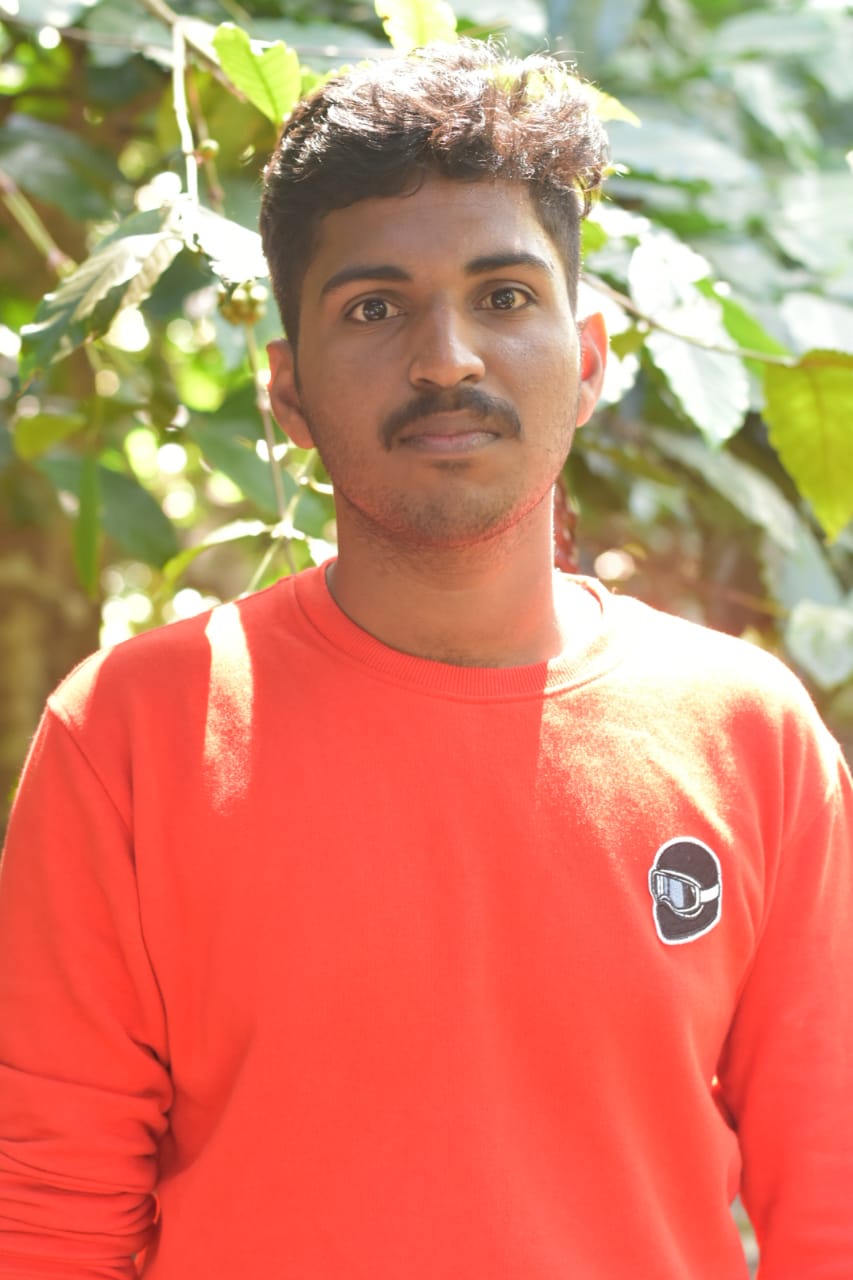
Meet Our Exceptional Team
United by a shared vision and driven by passion, our diverse team comes together to create something extraordinary.
With each individual's unique strengths, we form a powerful bond that fuels our success.
At E-School Books, we believe in the power of collaboration and the magic it brings to the learning experience.
Together, we strive to make a positive impact on the lives of students worldwide.
CEO and Founder


Web Designer

Marketing Manager

Positive Marketing
Legel Adviser
Marketing

Creative Director
Human resource

Influencer

Marketing
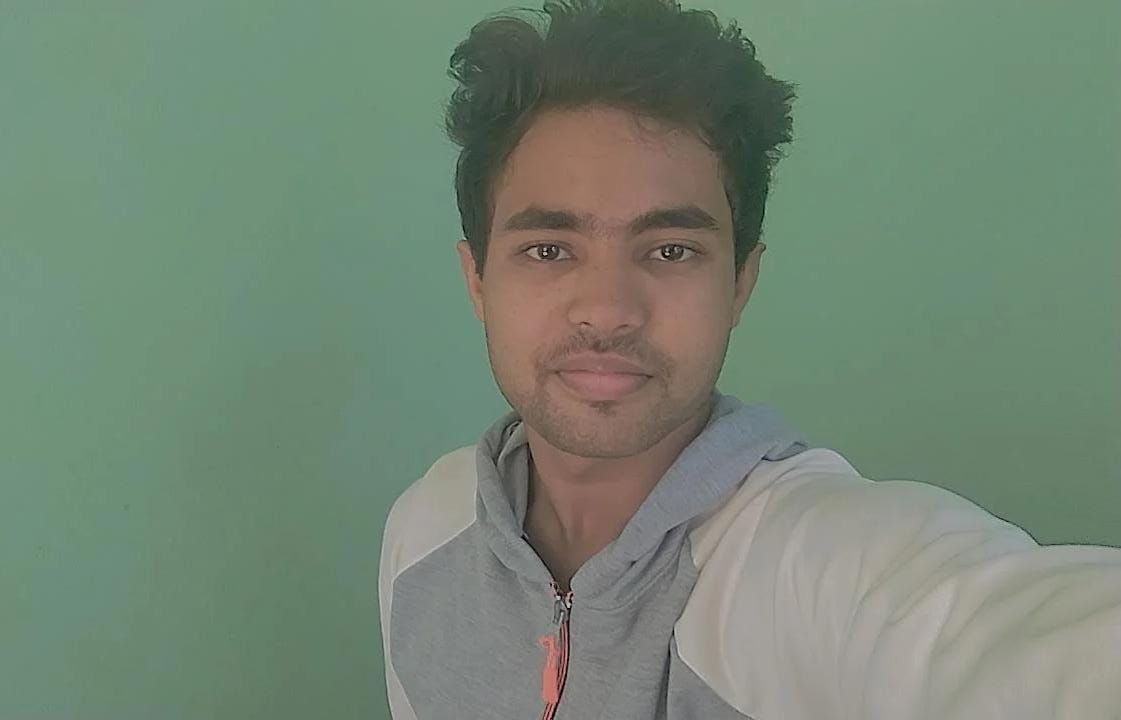
Financial Department

Visual Editor
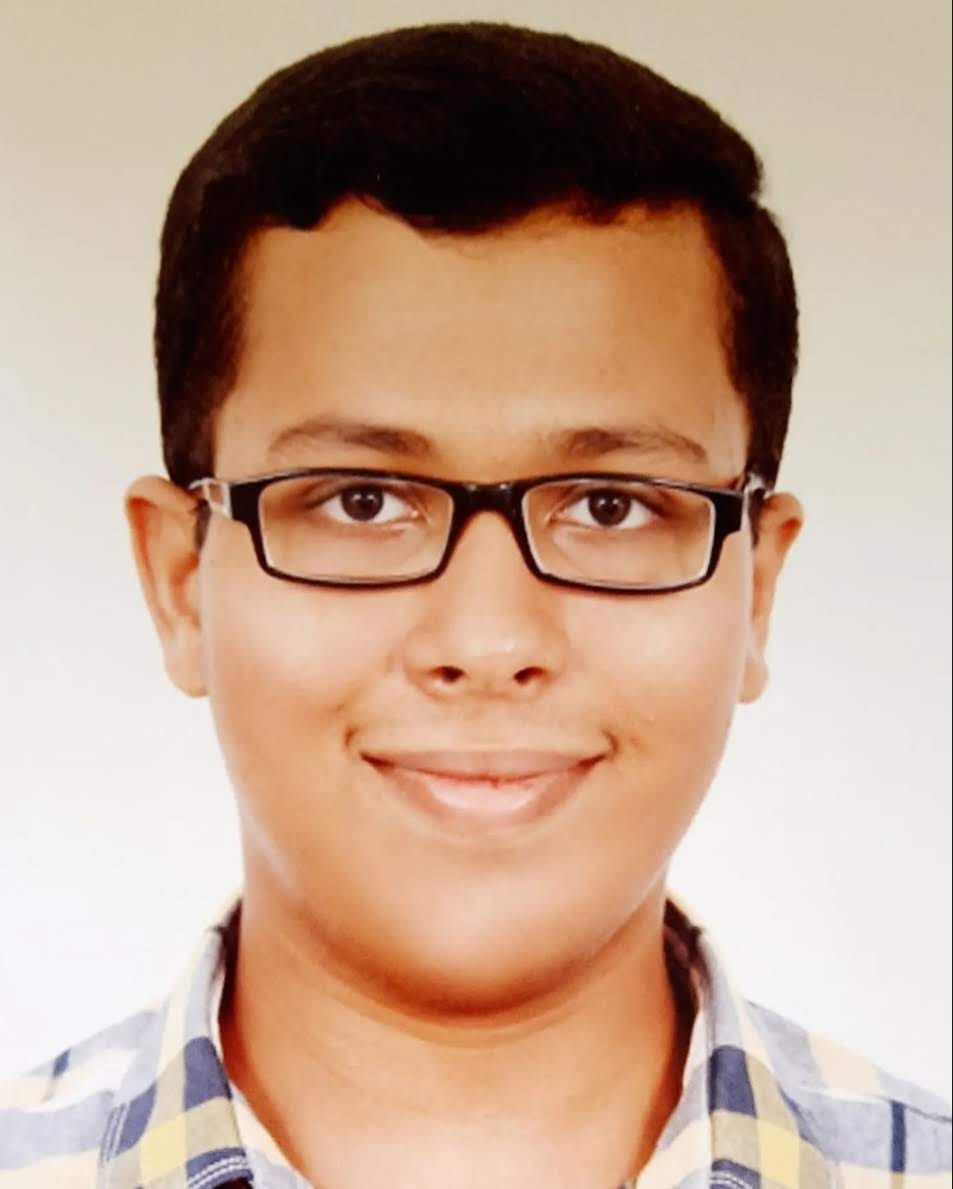
Education Department
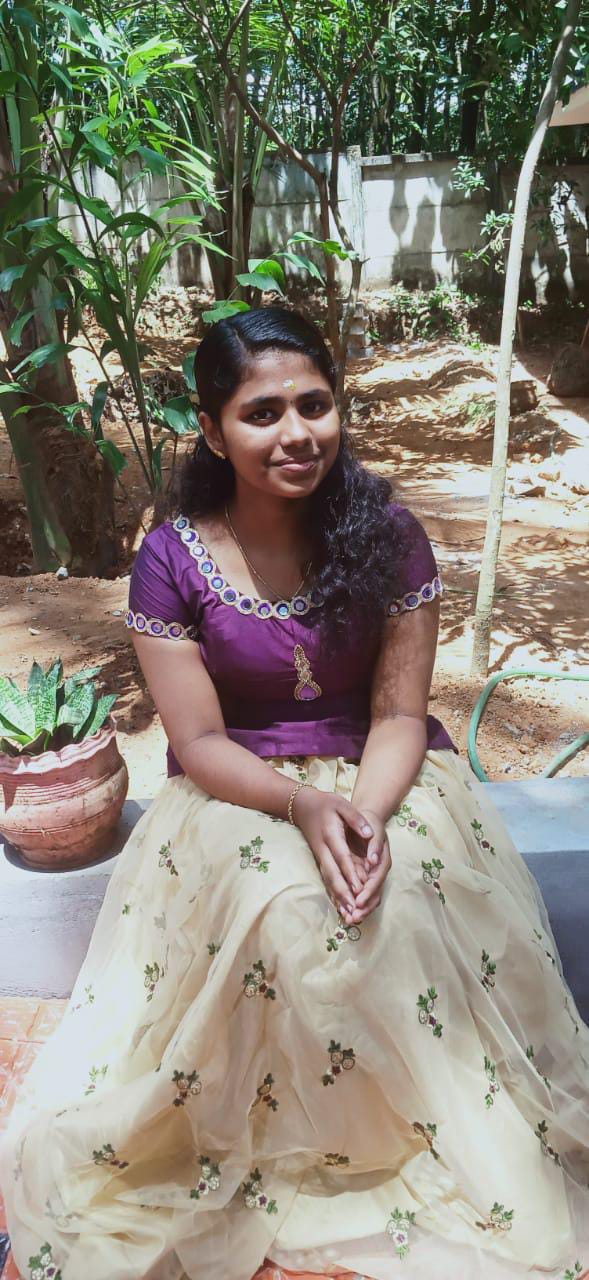
marketing

Human Resource
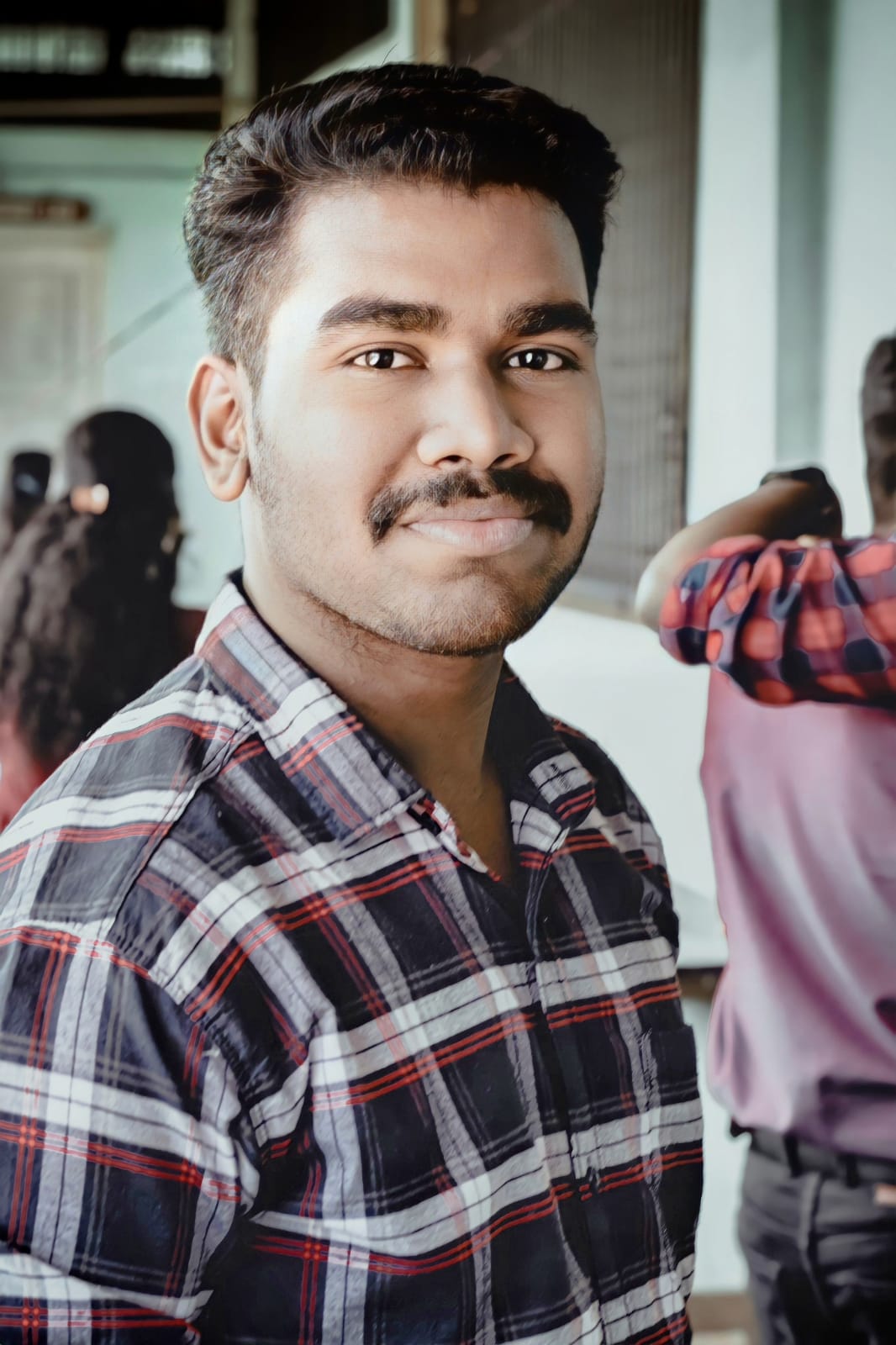
Visual Editor
Art Director

Visual Art